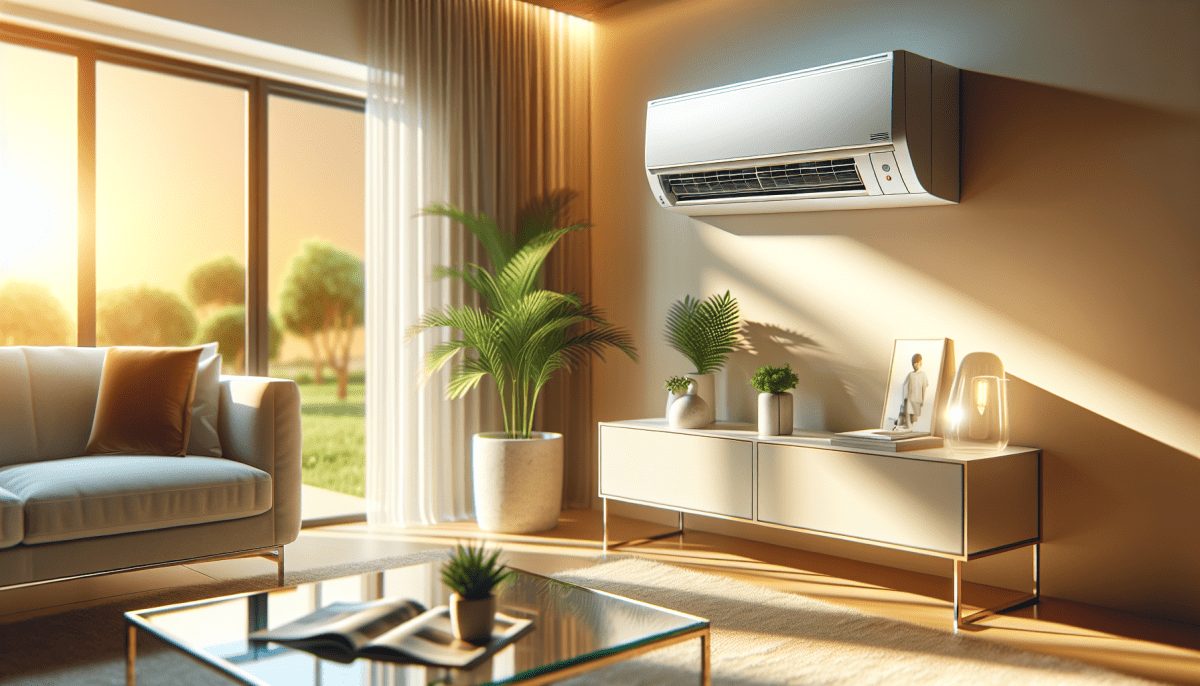
When it comes to finding the right ductless air conditioner, it’s important to think about what you actually need. Everyone’s space is different, so understanding your cooling needs makes a big difference. Start by measuring the area you want to cool. Knowing the square footage helps you determine how powerful your unit should be. A small room doesn’t need as much cooling power as a larger space.
Next, consider how many people usually occupy the room. More people generate more heat. If you’re cooling a space where friends gather, or if it’s a busy family area, you’ll want a unit that can handle that extra warmth. Also, think about how much sunlight enters the room. Rooms that get a lot of sun need a stronger air conditioner since they can heat up quickly during the day.
Don’t forget about the layout of your room! Open areas might require multiple units or a more robust system to keep everything comfortable. If you have high ceilings, you might want a unit that can distribute cool air more evenly. Lastly, check for insulation and air leaks in your space; these can impact how well your unit performs. Better insulation means you won’t have to work as hard to keep the space cool.
Taking a little time to assess these factors can lead you to the right ductless air conditioner that suits your lifestyle and space. Happy cooling!
Know the Installation Process
Installing a ductless air conditioner isn’t as complicated as it might sound. You don’t need to be a pro to get it done right, but knowing a few basics can make the process smoother. First off, you'll need to pick the right spot for your indoor unit. Make sure there's good airflow and it's not blocked by furniture or decor. The outdoor unit needs space too. Give it some room to breathe and ensure it’s in a well-ventilated area.
Next, you’ll have to connect the indoor and outdoor units with some refrigerant lines. Most ductless systems come with pre-charged lines, so you won’t have to worry too much about that. But if you're not comfortable handling refrigerant, consider calling a professional. They can ensure everything’s sealed and leak-free, which helps keep your unit running efficiently.
After the connections are made, you'll need to mount the indoor unit on the wall. Most systems come with brackets, making it easy to secure the unit. Just remember to level it out, or else you might end up with some funky water drainage issues later. For the outdoor unit, make sure it’s on a solid base to keep it stable and reduce vibrations.
Finally, set up the wiring and make that power connection. It's usually just a matter of connecting a few wires. Again, if you’re scratching your head at this point, don’t hesitate to reach for the phone and call a technician. Once everything’s hooked up and ready, turn it on and enjoy that cool breeze!
Explore Energy Efficiency Ratings
When it comes to buying ductless air conditioners, energy efficiency ratings are super important. You want an AC that cools your space without sending your electric bill through the roof. Look for the SEER rating, which stands for Seasonal Energy Efficiency Ratio. A higher SEER number means better efficiency. Aim for at least a 16 SEER rating if you want to enjoy lower energy costs.
Another key rating to check is the EER, or Energy Efficiency Ratio. This one measures how well an air conditioner can cool your space under specific conditions. The higher the EER, the better the unit performs on hot days. It’s like a bonus score, so keep it in mind when comparing models.
Don’t forget to look for the Energy Star label. This badge tells you that the product meets certain energy efficiency guidelines set by the EPA. Choosing an Energy Star certified unit can save you money and is better for the environment, too. It’s a win-win situation!
A little research goes a long way. Spend some time comparing these ratings before you decide. Your future self and your wallet will thank you for it!
Consider Maintenance and Support Options
When buying a ductless air conditioner, don’t just focus on the features and price. Think about maintenance and support options too. Keeping your unit running smoothly is essential, and the right support can save you a lot of hassle down the road.
Check if the manufacturer offers warranty options. A good warranty covers parts and labor for at least a few years. This way, if something goes wrong, you won’t be stuck with a hefty repair bill. Find out about extended warranty options as well. They can give you peace of mind beyond the initial coverage.
Consider the availability of local technicians who can service your unit. Ductless systems can be a bit tricky, so you want to make sure there are specialists nearby. Ask the dealer for recommendations or check online reviews to find reliable service providers in your area.
Lastly, think about the maintenance requirements of the air conditioner itself. Some models offer easy-to-clean filters and user-friendly controls, making regular upkeep a breeze. Look for options with smart technology that can remind you when it’s time for maintenance.